

Unleashing Workforce Agility With Data Analytics
In today’s fast-changing business world, success belongs to those who can adapt swiftly and effectively. The ability to shift gears, reallocate resources, and make smart hiring decisions in real time isn’t just an advantage; it’s a necessity. Whether you run a startup or manage a large enterprise team, creating an agile workforce agility empowered by data analytics is the key to long-term growth and resilience.
Redolent, Inc is a leading company providing various talent management solutions, including but not limited to contingent workforce services, managed workforce services, talent acquisition services and demand-driven screening services.
This blog explains what workforce agility means, why data is a game changer, and how you can build flexibility and intelligence into your talent strategy. You’ll discover practical, plain-language insights to improve hiring speed, reduce costs, boost productivity, and retain the best people.
What is workforce agility and why does it matter?
At its core, workforce agility means having the flexibility to respond quickly and effectively to change, whether that’s shifting workloads, hiring for peak demand, or upskilling employees for new business needs. Agile teams adjust without disruptions, meeting evolving market conditions, technology changes, or customer expectations.
Today’s workforce includes full-time employees, freelancers, and contractors. Managing this mixed (or “contingent”) workforce requires smarter approaches that let companies quickly deploy talent where and when it’s needed most.
Workforce agility reduces risks like skills shortages or overstaffing while creating a competitive edge through faster, more informed decisions.
Data analytics: making better decisions
In the past, workforce decisions were often based on experience or intuition. But relying on gut feelings can lead to costly mistakes: hiring the wrong people, failing to meet deadlines, or losing talented employees.
Data analytics changes that by collecting and analyzing workforce information like how long hires take, labor costs, productivity levels, and engagement scores. This intelligence transforms HR from reactive to proactive.
Analytics helps you:
-
Identify the best-performing hiring channels.
-
Spot skills gaps before projects suffer.
-
Monitor employee workload and well-being.
-
Optimize scheduling and pay.
Together, workforce agility and analytics allow you to make smarter moves faster, turning your team into a responsive, high-value asset.
The impact of workforce agility and data analytics
Organizations embracing agility and data-driven HR gain key advantages:
- Faster, smarter hiring
By analyzing recruitment sources and candidate quality, companies shorten time-to-hire and onboard talent that truly fits. This speeds up productivity and reduces costly hiring mistakes.
- Cost savings and better budget control
Accurate data on recruitment and labor costs reveals overspending and inefficiencies, enabling targeted reductions without harming output.
- Higher employee engagement and retention
Tracking engagement, burnout risks, and overtime helps leaders spot issues early and act to retain top performers, reducing turnover and boosting morale.
- Agile Workforce Deployment
Insights into skills, availability, and demand allow shifting talent dynamically between departments or projects maximizing utilization and meeting varying workloads effectively.
Building an agile, data-driven workforce: step-by-step
You don’t need a massive budget or complex IT to begin. Follow these practical steps:
- Centralize workforce data
Bring together employee information, schedules, pay records, and skill profiles from different systems into one dashboard. This unified view helps managers quickly spot gaps, monitor availability, and make well-informed decisions. Centralized data also makes it easier to maintain accuracy and share insights across teams.
- Track key metrics
Monitor important numbers like time to hire, cost per hire, productivity rates, engagement levels, overtime, and absenteeism. Regularly tracking these indicators reveals patterns and problem areas so you can take action before issues impact business results. Clear metrics keep everyone focused on continuous improvement.
- Benchmark performance
Assess your workforce data against industry standards, market averages, or competitors to see where you stand. Benchmarking highlights strengths and uncovers areas for development, helping you set realistic targets for your team. It inspires meaningful change by showing what’s possible and guiding progress.
- Use predictive analytics and alerts
Adopt analytics tools that forecast staffing needs, turnover risks, and compliance gaps based on your data trends. Automated alerts help managers address potential issues such as skill shortages or rising burnout before they become serious problems. Predictive insights make your workforce strategy proactive, not reactive.
- Review and Adapt Regularly
Hold scheduled reviews of your workforce data every month or quarter to evaluate your strategies and results. Use these sessions to update hiring plans, adjust training programs, and optimize team deployment. Incremental changes build momentum, making your organization more agile and stronger over time.
Real-world success stories
The power of agility and analytics is clear from real businesses:
-
A retail chain cut overtime costs by 20% through dynamic scheduling based on sales and staff availability.
-
A tech startup halved hiring times by focusing on sources shown to yield strong performers.
-
A manufacturing firm revamped training programs after identifying key skills gaps with data.
These practical wins translate into major savings, faster growth, and happier employees.
Why human insight still matters
Data is helpful, but people drive real outcomes. Managers interpreting data with empathy, communicating openly, and coaching effectively create culture and trust that technology alone cannot replace.
Combining human insight with data tools ensures decisions are both smart and compassionate, improving workforce well-being and business results.
Emerging trends: AI and predictive talent tools
Artificial intelligence is enhancing workforce analytics by:
-
Automating candidate matching to speed hiring
-
Analyzing employee feedback to detect mood changes
-
Forecasting staffing needs weeks or months in advance
Staying ahead of these developments helps companies plan proactively and build resilient, future-ready teams.
Conclusion
Workforce agility powered by data analytics is essential for competing, growing, and retaining talent in today’s dynamic world. Combining flexibility with data-driven insight allows organizations to move faster, spend smarter, and keep people engaged.
Our solutions combine powerful workforce analytics with expert guidance designed to help organizations become agile and resilient. We deliver real-time insights and practical tools that empower managers to make confident, human-centered workforce decisions.
Talk to us today to know more about our talent management solutions, including but not limited to contingent workforce services, managed workforce services, talent acquisition services, and demand-driven screening services. Reach out to us today at: https://redolentech.com/reach-out-to-us/
Disclaimer: The content in this blog is for informational purposes only and does not constitute legal advice. The views expressed are those of Redolent, Inc. and should not be taken as legal solutions. For specific guidance, please consult a qualified attorney.
Beyond AI Pilots: Why Enterprise AI Needs Infrastructure
August 3, 2026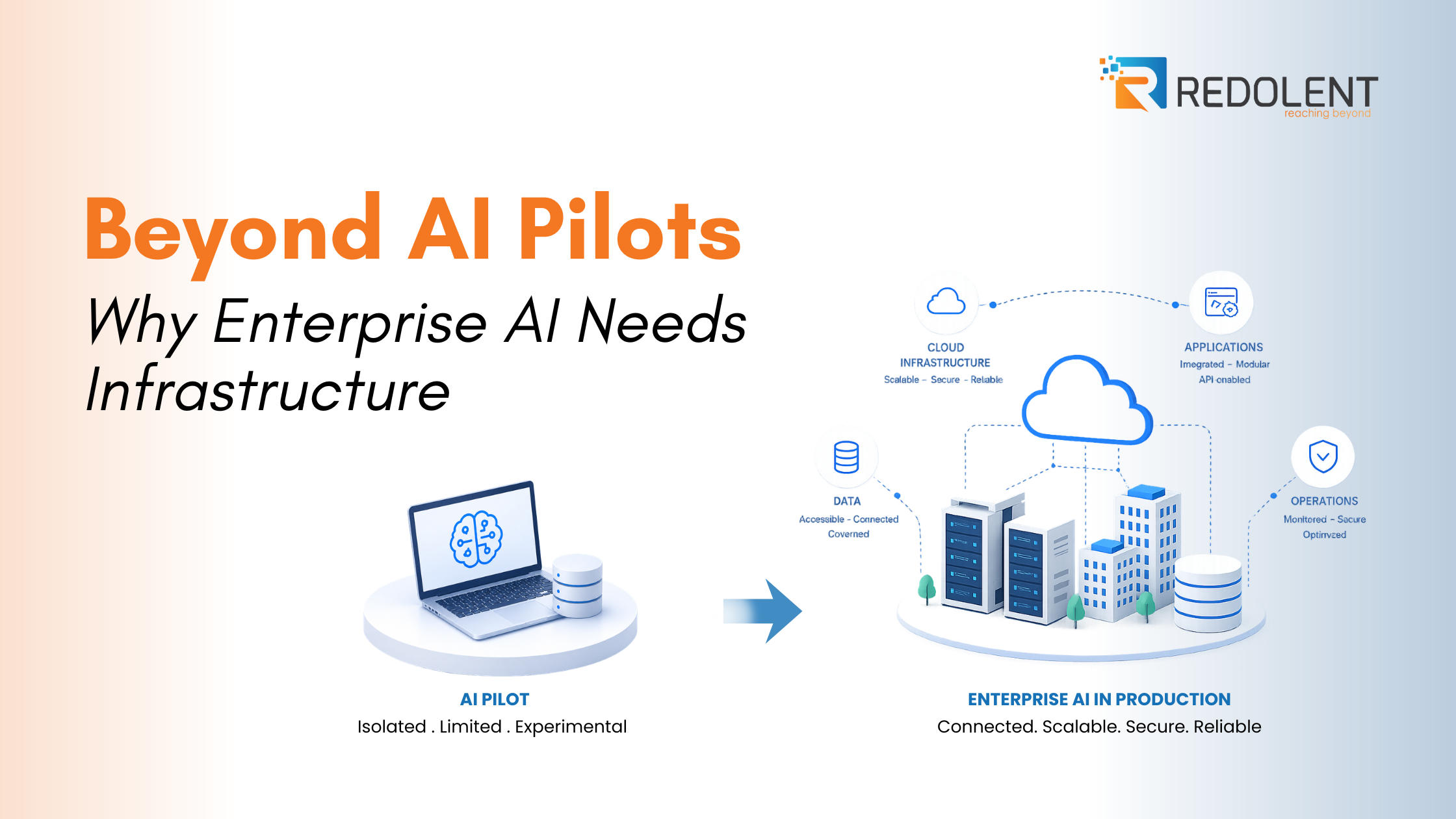
The Cost of Legacy Systems: Impact on Business Growth
April 9, 2026